
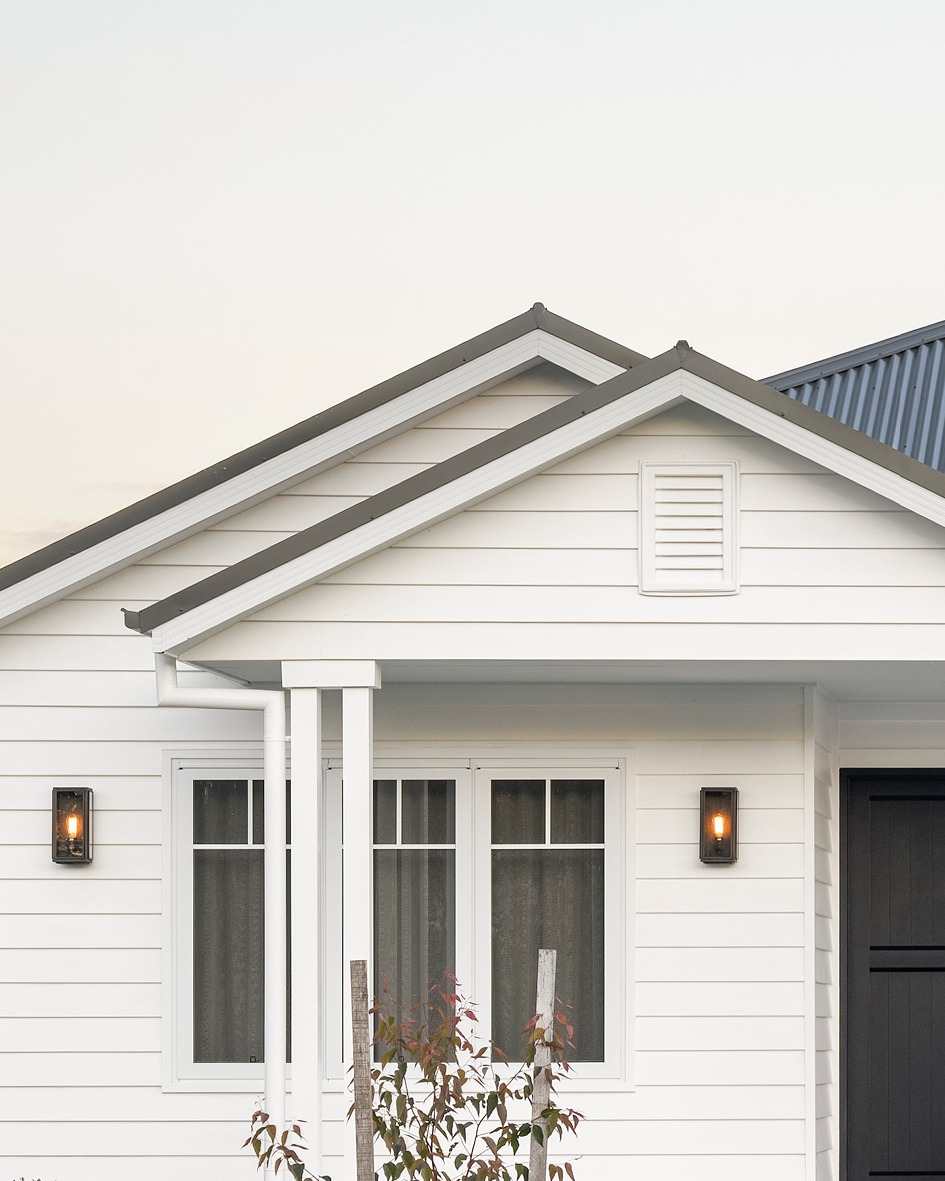
Frequently Asked Questions.
Everything you need to know about building with Candor Homes Building a home is one of life's biggest decisions, so it's natural to have questions. Whether you're just starting to explore your options or you're ready to build, we've answered some of the questions we're asked most often. If you can't find what you're looking for, our team is always happy to help.
Frequently Asked Questions.
Everything you need to know about building with Candor Homes Building a home is one of life's biggest decisions, so it's natural to have questions. Whether you're just starting to explore your options or you're ready to build, we've answered some of the questions we're asked most often. If you can't find what you're looking for, our team is always happy to help.
Getting Started.
Why choose Candor Homes?
Candor Homes was founded on a simple belief: building should feel clear, not confusing. Through thoughtful planning, honest advice and open communication, we guide our clients through every stage of the building journey with confidence.
What areas do you build in?
We build custom homes, knockdown rebuilds and secondary dwellings throughout Newcastle, Lake Macquarie, Maitland, Port Stephens and the wider Hunter Region.
Do I need to own land before contacting you?
No. Whether you’ve already purchased land or you’re still looking, we’re happy to discuss your options and help you understand what to consider before making your decision.
What types of homes do you build?
We specialise in custom homes, knockdown rebuilds, single and double-storey homes, granny flats and secondary dwellings designed to suit your lifestyle and land.
Can I visit a display home before deciding?
Absolutely. Visiting one of our display homes is one of the best ways to experience our quality, explore our designs and meet the team who’ll guide you through your building journey.
Planning & Design.
What makes Candor Homes different?
Our planning-first approach. We invest more time before construction begins to understand your land, your lifestyle and your goals. By making informed decisions early, we help reduce uncertainty and create a smoother building experience.
Can I customise my home?
Yes. Every family lives differently, so we work with you to personalise your home to suit your lifestyle, land and future plans.
Can I bring my own plans?
Yes. If you’ve already worked with a designer or architect, we’d be happy to discuss how we can bring your plans to life.
Do you build on sloping or difficult blocks?
Yes. Every site is different. Our team carefully assesses your land and designs a home that responds to its unique characteristics while helping manage site costs.
Can you help me choose a block of land?
Yes. If you’re still searching for land, we can provide advice on site suitability, orientation, access and other factors that may influence your home’s design and construction costs.
Pricing & Budget.
How much does it cost to build a home?
Every home is different, so pricing depends on factors such as design, size, inclusions, site conditions and location. We’ll provide transparent pricing based on your individual project rather than relying on estimates.
Do you provide fixed-price contracts?
Where appropriate, we provide fixed-price building contracts once planning, design and site investigations have been completed, giving you greater confidence before construction begins.
Are there hidden costs?
Our goal is to identify potential costs as early as possible through detailed planning and thorough site investigations. While every project is unique, careful preparation helps minimise unexpected surprises.
Can you work within my budget?
Yes. Understanding your budget is an important part of our planning process. We’ll work with you to explore design solutions and inclusions that align with your priorities.
Building Process.
What happens after I contact Candor Homes?
We’ll begin with a conversation to understand your goals, lifestyle and ideas. From there, we’ll guide you through design, planning, approvals, pricing and construction, ensuring you understand each stage before moving to the next.
How long does it take to build a home?
Construction time varies depending on the home’s design, approvals, weather and site conditions. We’ll provide a realistic timeframe specific to your project during the planning stage.
How will I know what’s happening during my build?
Communication is central to the Candor experience. We’ll keep you informed throughout the build with regular updates and be available to answer your questions along the way.
Can I visit my home during construction?
Yes. We arrange site visits at appropriate stages of construction so you can see your home’s progress while maintaining a safe building environment.
What happens if I want to make changes during construction?
We’ll discuss any requested changes with you, explain how they may affect cost or timing and help you make an informed decision before proceeding.
Working with Candor.
What does ‘Candor’ mean?
Candor means openness, honesty and genuine communication. It’s more than our name. It’s the philosophy that guides every conversation, every decision and every home we build.
Why should I visit a display home?
A display home lets you experience our workmanship, explore design ideas and meet the people behind Candor Homes. It’s also the perfect opportunity to ask questions and better understand our planning-first approach.
What if I’m not ready to build yet?
That’s perfectly fine. Many of our clients begin speaking with us months before they’re ready to start. We’re happy to answer your questions, provide guidance and help you prepare for the right time to build.
The Planned Approach.
What is a Preliminary Agreement?
A Preliminary Agreement is the first step in planning your custom home. It allows us to complete the detailed work needed before your building contract is prepared, including design development, site checks and project planning.
Why do you use a Preliminary Agreement?
Every custom home is different. Before we can provide accurate pricing, we need to understand your land, your design and the details of your project. This planning stage helps create clearer expectations, more accurate pricing and a smoother building journey.
Is this only for custom homes?
A Preliminary Agreement is generally used for custom homes and more complex projects where detailed planning is required. Unlike standard home designs, custom homes need a tailored approach before construction can begin.
Why can’t you provide a price straight away?
An accurate price requires understanding the full project. By planning properly upfront, we can identify important details early and help reduce unexpected costs or changes later.
What happens during this stage?
Depending on your project, we may complete design development, site investigations, engineering and consultant work, project planning and detailed pricing to ensure your home is properly understood before construction begins. We’ll clearly explain what’s required and guide you through each step before you proceed.
Do I own the documents if I don’t build with Candor Homes?
Yes. Once the Preliminary Agreement is completed and paid for, the documents and reports prepared as part of the process belong to you. This means your investment in planning provides value, even if you decide not to continue with Candor Homes.
Am I committed to building with Candor Homes?
No. A Preliminary Agreement is a planning stage, not a building contract. It gives you the information you need to make the right decision with confidence.
What happens next?
Once planning is complete, we’ll present your design, pricing and project details so you can decide the next step.
Knockdown Rebuilds Process.
Is a knockdown rebuild better than renovating?
For many homeowners, a knockdown rebuild offers the opportunity to enjoy a brand-new home without leaving a location they already love. It allows you to create a home designed around your lifestyle, with modern layouts, improved energy efficiency and fewer compromises compared to renovating an existing property. We’ll help you determine which option best suits your property, budget and long-term goals.
Who organises demolition?
You will need to arrange demolition, however we can guide you through the process and help you understand the steps involved, including approvals, site preparation and preparing your block for construction.
Can I stay in my home during demolition and construction?
No. Alternative accommodation is generally required during the demolition and construction process. Once your existing home has been removed, construction can begin on your new home.
How do I know if my property is suitable for a knockdown rebuild?
Every site is different. We’ll review factors such as block size, slope, access, planning requirements and your goals to determine the best approach for your new home.
Where do you build knockdown rebuild homes?
We complete knockdown rebuilds across the Hunter, Newcastle, Lake Macquarie and Port Stephens regions. Our team can help assess your property, understand your site requirements and guide you through the process from planning through to construction.
Granny Flats & Secondary Dwellings.
Do you build granny flats?
Yes. We design and build granny flats and secondary dwellings as part of your overall home build, creating a complete solution tailored to your property, lifestyle and future plans. Whether you’re planning for family, multi-generational living, additional accommodation or future flexibility, we’ll help you understand what’s possible for your site and how your granny flat can work alongside your new home.
Can I build a granny flat on my property?
This depends on your block size, zoning, site conditions and local planning requirements. We’ll assess your property and guide you through what may be possible before moving forward.
What are the requirements for a granny flat?
Typically, your property must meet specific planning requirements, including suitable block size, site width, setbacks and approval requirements. A granny flat is generally limited to a maximum of 60m² of internal floor area and must be designed as a self-contained dwelling built alongside the main home.
Can a granny flat be customised?
Yes. Like our homes, granny flats can be designed around how they will be used, with layouts, finishes and features tailored to suit your lifestyle. They can also be completed with selections that complement your main home, creating a cohesive and considered overall design.
Glossary of Building Terms.
Details showing any restrictions applicable to the block of land – i.e. easement.
This is a trench designed to hold stormwater. Some Councils specify the requirement of an absorption trench and this will form part of your Hydraulic design.
This is the name given to soils that contain iron sulphides. Additional measures are required to ensure the structural integrity of your home. The classification is 1,2, 3, 4 or 5.
Some Councils will require a report from an Acoustic Engineer to accompany your Development Application. Additional measures may be required to comply with an internal noise level (L10) of 50DA(A) for busy urban areas.
The architectural requirement to alleviate flat faces (long straight walls).
A vertical gap between panels of brick wall that allows for movement in the framework or footings. It prevents the build-up of pressure and cracking of the wall
Refers to the detailed assessment of the sustainability of your new home. Some Councils require this as part of your Development Submission.
A more detailed survey where levels are calculated from the average of many tide gauges on the East Coast of Australia (sea level).
Letter issued from the relevant lending authority confirming all documents have been signed and received, the loan has been settled and construction may commence.
Is an assessment which must be completed on your new dwelling to assess its energy and water efficiency.
The Site has been prepared with level platforms in preparation for construction of your slab.
Three holes drilled into the surface of your block to provide additional information on the soil type.
The proposed development will be partially or wholly constructed within the zone of influence (close to) the sewer. Additional measures are required to protect the water authorities’ asset of the sewer.
The proposed development will be constructed over the top of the sewer. Additional measures are required to protect the water authorities’ asset of the sewer.
Is the rating used to determine the risk of your property from bush-fire. The rating will determine which additional measures are required to reduce the risk of your home in the event of a fire. The rating is measured as BAL (Bushfire Attack Level) 12.5, 19, 29, 40.
An alternative method to DA approval, where council is not involved in the approval process. Approval is obtained through the certifying authority. CDC requires 100% compliance with relevant regulations.
A Construction Certificate (CC) is required prior to construction commencing on site. It can only be obtained once DA approval is received. Candor Homes obtains the Construction Certificate through the certifying authority.
A survey completed to illustrate the levels/slope of your block to assist in the siting of your new home.
This is a formal contract binding Candor Homes and yourself to proceed with the construction of your new home.
The portion of land owned by Council between the road and the front boundary of your property.
Describes the movement of soil over your block as required to provide a level platform to construct your new home on.
Certificate provided by the demolition company to confirm that the site is free of hazardous material and safe to commence work.
Application to build the house obtained through Council.
Additional costs required to unload and store materials on tight sites.
The flatter portion of your kerb, between the road and your driveway. The location of the layback is determined by the developer/council and may require relocation to suit your house design.
If you want to build your new home on a slope you may need to have the additional cost of drop edge beams to contain the fill on the low side of the slab (instead of using a retaining wall that is away from your home). These are a type of retaining wall that hold the fill under the house slab as shown in the drawing below.
The right of use to a section of your property by another party.
The EER is a rating of the thermal performance of the building shell. It is designed to provide accurate and standardised information about building energy efficiency (excluding the hot water and lighting system, other fixed or movable appliances and occupant requirements for temperature control).
Efficient thermal performance means that a house achieves a comfortable temperature for the occupants for the time they are in the house with minimal energy input from fossil fuel or other unsustainable or polluting sources.
Rules which have been created by the developer on the estate to guide the development within that specific area to ensure a high standard of design and consistency.
When you live within the vicinity of breaking surf, your property is prone to corrosion. Therefore, additional measures are required to ensure the structural integrity of your home.
The level to the top of the slab.
The excavated level on which we intend to build on.
Flood levels are a determination of the levels of floods which have been recorded over the past. These levels help determine if your block is likely to be affected by flood waters and the depth of these waters. Flood levels are determined by the occurrence in years ie. (1:5) one in five years, (1:20) one in 20 years to a maximum of (1:100) one in 100 years.
The ratio of the building’s living area over the size of the site.
Provides critical and vital information about the soil and geological conditions of the site for the owner, architect, design engineer, and the contractor to use and evaluate.
An industry association for members of the residential building sector.
A design completed by a Hydraulic Engineer to deal with the collection, disbursement and use of storm water on your property, dependant on: water collection area, volume of water, council’s requirements and site constraints.
A certificate provided by the PCA when all critical stage inspections have been completed and the house is able to be occupied however there may be a few minor outstanding items required to be completed prior to the issue of the Occupation Certificate e.g. Landscaping.
Certificate from the land titles office showing the name of the person that owns the land.
The percentage of the site which is designated to soft landscaping.
A levy applied by the state government to building and construction works costing more than $25,000. This levy is paid by Candor Homes as part of your Development Submission.
When building in an area affected by underground mining, a Geotechnical Engineer must complete an independent inspection. Conditions may be imposed and additional measures required to comply with the Mine Subsidence Board including but not limited to the type of building materials used, use of control joints, additional footings, a maximum height of foundation brickwork.
A uniform set of technical provisions for the design and construction of buildings throughout Australia.
A survey that is completed prior to site start. Pegs will be placed on your land with 1 to 3 metres offsets to show the position of your home.
Concrete or metal supports dug into the ground to provide a solid foundation for your slab.
This is a document that shows any changes that have been made after the contract has been done and signed.
Water safe enough to be consumed by humans.
Private Certifiers complete the Construction Certificate and have been appointed to complete inspections during construction to ensure Candor Homes is in compliance with the National Construction Code and Council Conditions.
The private area of the site designed for recreation of the residents.
Only required if self funded or partially funding the loan yourself. A bank statement or letter from the bank noting client’s name, account number and the balance of the account covering the shortfall or contract amount.
Estimate added to the tender for costing that is unknown until further information received in order to fix quotes.
A planted pit which allows the rainwater runoff to be absorbed into the ground, reducing the runoff to storm water drains and surface water. Some Councils specify the use of a rain garden.
An additional survey which may be required to fully define all of the subject boundaries of the property.
Measurement which appears on your survey and is used to illustrate levels on the land. The height above or below a datum.
Is the application of a premixed cement or acrylic finish over brick-work which is to be painted.
Information received from Council showing any additional requirements to the land. This is read in conjunction with the 88b, and will determine whether the land is bushfire prone for example.
Are fees which may be applied by council on a new development within their Council area. These fees are used to help fund local infrastructure e.g. parks. Please note that S94 contributions are the responsibility of the owner.
Some blocks may have salt present in the soil. Salt can erode and disintegrate the piers and slab over time. Therefore in order to ensure the structural integrity of your home a stronger concrete strength needs to be used.
The required distance between your dwelling and the boundaries of the property.
A survey required if the exact location (depth and position from house and boundary) of your sewer is unclear. This may be as a result of the land being newly registered and therefore not gazetted in the Water Authorities database or in an established area where it is unclear of the location of the sewer running through the property. In some instances we are able to avoid this cost if you can obtain a copy of the Works as Executed (WAE) or Works as Constructed (WAC) plans from your developer.
The percentage of the site which is actually covered by the building.
Is the determination of the type of soil on your block. This classification is used to determine strength of the slab required for your new home. This strength is measured as M, H1, H2 or E.
Unused soil/debris removed from the site.
A statement which we will prepare as part of your Development Application. This addresses an environmental assessment, and identifies the planning and environmental information specific to your proposed development and site.
Formal offer, quotation and outline of items required to construct your home on your block (not a contract, but will form part of a contract).
Black and yellow synthetic tubes which highlight the wires and are clipped over powerlines to make persons aware and avoid injury due to accidental contact with live lines. This is a WH&S requirement.
Additional costs associated with the safe movement of motorists and pedestrians around the worksite. Required on busy roads or where pedestrian traffic is at a high rate.
A TPO is a permit to remove trees which is required to be lodged to Council if any trees need to be removed in order to apply for CDC approval. This may also be required for any trees the client wishes to remove that are not within 3m of the proposed dwelling.
A space saving rainwater tank which is installed underneath the surface of your yard, thereby not taking up any usable space in your yard. Some councils specify the use of the underground system and this will form part of your Hydraulic Design.
An independent assessor who is accredited and qualified to approve the design for construction of your home adjacent to or over the sewer on behalf of the Water Authority.
The rating of wind gust speeds typically located on ocean cliffs or on top of hills with no surrounding trees. The rating used is N1, N2, N3 & N4.
A very strict legislation which we must adhere to. This is to ensure the safety of anyone who has access to our worksites.
A zone of influence is an area either side of a buried pipe where it is considered that a structure may impose a load through the ground on to the pipe, or where settlement or excavation of the sewer or water trench may cause damage to a structure.
Details showing any restrictions applicable to the block of land – i.e. easement.
This is a trench designed to hold stormwater. Some Councils specify the requirement of an absorption trench and this will form part of your Hydraulic design.
This is the name given to soils that contain iron sulphides. Additional measures are required to ensure the structural integrity of your home. The classification is 1,2, 3, 4 or 5.
Some Councils will require a report from an Acoustic Engineer to accompany your Development Application. Additional measures may be required to comply with an internal noise level (L10) of 50DA(A) for busy urban areas.
The architectural requirement to alleviate flat faces (long straight walls).
A vertical gap between panels of brick wall that allows for movement in the framework or footings. It prevents the build-up of pressure and cracking of the wall
Refers to the detailed assessment of the sustainability of your new home. Some Councils require this as part of your Development Submission.
A more detailed survey where levels are calculated from the average of many tide gauges on the East Coast of Australia (sea level).
Letter issued from the relevant lending authority confirming all documents have been signed and received, the loan has been settled and construction may commence.
Is an assessment which must be completed on your new dwelling to assess its energy and water efficiency.
The Site has been prepared with level platforms in preparation for construction of your slab.
Three holes drilled into the surface of your block to provide additional information on the soil type.
The proposed development will be partially or wholly constructed within the zone of influence (close to) the sewer. Additional measures are required to protect the water authorities’ asset of the sewer.
The proposed development will be constructed over the top of the sewer. Additional measures are required to protect the water authorities’ asset of the sewer.
Is the rating used to determine the risk of your property from bush-fire. The rating will determine which additional measures are required to reduce the risk of your home in the event of a fire. The rating is measured as BAL (Bushfire Attack Level) 12.5, 19, 29, 40.
An alternative method to DA approval, where council is not involved in the approval process. Approval is obtained through the certifying authority. CDC requires 100% compliance with relevant regulations.
A Construction Certificate (CC) is required prior to construction commencing on site. It can only be obtained once DA approval is received. Candor Homes obtains the Construction Certificate through the certifying authority.
A survey completed to illustrate the levels/slope of your block to assist in the siting of your new home.
This is a formal contract binding Candor Homes and yourself to proceed with the construction of your new home.
The portion of land owned by Council between the road and the front boundary of your property.
Describes the movement of soil over your block as required to provide a level platform to construct your new home on.
Certificate provided by the demolition company to confirm that the site is free of hazardous material and safe to commence work.
Application to build the house obtained through Council.
Additional costs required to unload and store materials on tight sites.
The flatter portion of your kerb, between the road and your driveway. The location of the layback is determined by the developer/council and may require relocation to suit your house design.
If you want to build your new home on a slope you may need to have the additional cost of drop edge beams to contain the fill on the low side of the slab (instead of using a retaining wall that is away from your home). These are a type of retaining wall that hold the fill under the house slab as shown in the drawing below.
The right of use to a section of your property by another party.
The EER is a rating of the thermal performance of the building shell. It is designed to provide accurate and standardised information about building energy efficiency (excluding the hot water and lighting system, other fixed or movable appliances and occupant requirements for temperature control).
Efficient thermal performance means that a house achieves a comfortable temperature for the occupants for the time they are in the house with minimal energy input from fossil fuel or other unsustainable or polluting sources.
Rules which have been created by the developer on the estate to guide the development within that specific area to ensure a high standard of design and consistency.
When you live within the vicinity of breaking surf, your property is prone to corrosion. Therefore, additional measures are required to ensure the structural integrity of your home.
The level to the top of the slab.
The excavated level on which we intend to build on.
Flood levels are a determination of the levels of floods which have been recorded over the past. These levels help determine if your block is likely to be affected by flood waters and the depth of these waters. Flood levels are determined by the occurrence in years ie. (1:5) one in five years, (1:20) one in 20 years to a maximum of (1:100) one in 100 years.
The ratio of the building’s living area over the size of the site.
Provides critical and vital information about the soil and geological conditions of the site for the owner, architect, design engineer, and the contractor to use and evaluate.
An industry association for members of the residential building sector.
A design completed by a Hydraulic Engineer to deal with the collection, disbursement and use of storm water on your property, dependant on: water collection area, volume of water, council’s requirements and site constraints.
A certificate provided by the PCA when all critical stage inspections have been completed and the house is able to be occupied however there may be a few minor outstanding items required to be completed prior to the issue of the Occupation Certificate e.g. Landscaping.
Certificate from the land titles office showing the name of the person that owns the land.
The percentage of the site which is designated to soft landscaping.
A levy applied by the state government to building and construction works costing more than $25,000. This levy is paid by Candor Homes as part of your Development Submission.
When building in an area affected by underground mining, a Geotechnical Engineer must complete an independent inspection. Conditions may be imposed and additional measures required to comply with the Mine Subsidence Board including but not limited to the type of building materials used, use of control joints, additional footings, a maximum height of foundation brickwork.
A uniform set of technical provisions for the design and construction of buildings throughout Australia.
A survey that is completed prior to site start. Pegs will be placed on your land with 1 to 3 metres offsets to show the position of your home.
Concrete or metal supports dug into the ground to provide a solid foundation for your slab.
This is a document that shows any changes that have been made after the contract has been done and signed.
Water safe enough to be consumed by humans.
Private Certifiers complete the Construction Certificate and have been appointed to complete inspections during construction to ensure Candor Homes is in compliance with the National Construction Code and Council Conditions.
The private area of the site designed for recreation of the residents.
Only required if self funded or partially funding the loan yourself. A bank statement or letter from the bank noting client’s name, account number and the balance of the account covering the shortfall or contract amount.
Estimate added to the tender for costing that is unknown until further information received in order to fix quotes.
A planted pit which allows the rainwater runoff to be absorbed into the ground, reducing the runoff to storm water drains and surface water. Some Councils specify the use of a rain garden.
An additional survey which may be required to fully define all of the subject boundaries of the property.
Measurement which appears on your survey and is used to illustrate levels on the land. The height above or below a datum.
Is the application of a premixed cement or acrylic finish over brick-work which is to be painted.
Information received from Council showing any additional requirements to the land. This is read in conjunction with the 88b, and will determine whether the land is bushfire prone for example.
Are fees which may be applied by council on a new development within their Council area. These fees are used to help fund local infrastructure e.g. parks. Please note that S94 contributions are the responsibility of the owner.
Some blocks may have salt present in the soil. Salt can erode and disintegrate the piers and slab over time. Therefore in order to ensure the structural integrity of your home a stronger concrete strength needs to be used.
The required distance between your dwelling and the boundaries of the property.
A survey required if the exact location (depth and position from house and boundary) of your sewer is unclear. This may be as a result of the land being newly registered and therefore not gazetted in the Water Authorities database or in an established area where it is unclear of the location of the sewer running through the property. In some instances we are able to avoid this cost if you can obtain a copy of the Works as Executed (WAE) or Works as Constructed (WAC) plans from your developer.
The percentage of the site which is actually covered by the building.
Is the determination of the type of soil on your block. This classification is used to determine strength of the slab required for your new home. This strength is measured as M, H1, H2 or E.
Unused soil/debris removed from the site.
A statement which we will prepare as part of your Development Application. This addresses an environmental assessment, and identifies the planning and environmental information specific to your proposed development and site.
Formal offer, quotation and outline of items required to construct your home on your block (not a contract, but will form part of a contract).
Black and yellow synthetic tubes which highlight the wires and are clipped over powerlines to make persons aware and avoid injury due to accidental contact with live lines. This is a WH&S requirement.
Additional costs associated with the safe movement of motorists and pedestrians around the worksite. Required on busy roads or where pedestrian traffic is at a high rate.
A TPO is a permit to remove trees which is required to be lodged to Council if any trees need to be removed in order to apply for CDC approval. This may also be required for any trees the client wishes to remove that are not within 3m of the proposed dwelling.
A space saving rainwater tank which is installed underneath the surface of your yard, thereby not taking up any usable space in your yard. Some councils specify the use of the underground system and this will form part of your Hydraulic Design.
An independent assessor who is accredited and qualified to approve the design for construction of your home adjacent to or over the sewer on behalf of the Water Authority.
The rating of wind gust speeds typically located on ocean cliffs or on top of hills with no surrounding trees. The rating used is N1, N2, N3 & N4.
A very strict legislation which we must adhere to. This is to ensure the safety of anyone who has access to our worksites.
A zone of influence is an area either side of a buried pipe where it is considered that a structure may impose a load through the ground on to the pipe, or where settlement or excavation of the sewer or water trench may cause damage to a structure.
Start your home journey.
Every building journey is different, and we’re here to help you make informed decisions with confidence. Visit one of our display homes or get in touch for honest advice, clear answers and guidance tailored to your new home.
Build with confidence. Build with Candor.